Cape Range National Park
Photo by Dan Nevill · flickr · CC BY 2.0
- State
- WA
- Region
- Gascoyne
- Access
- 2WD
- Best months
- April to October
- Nearest town
- Exmouth
- Fuel within
- 40 km
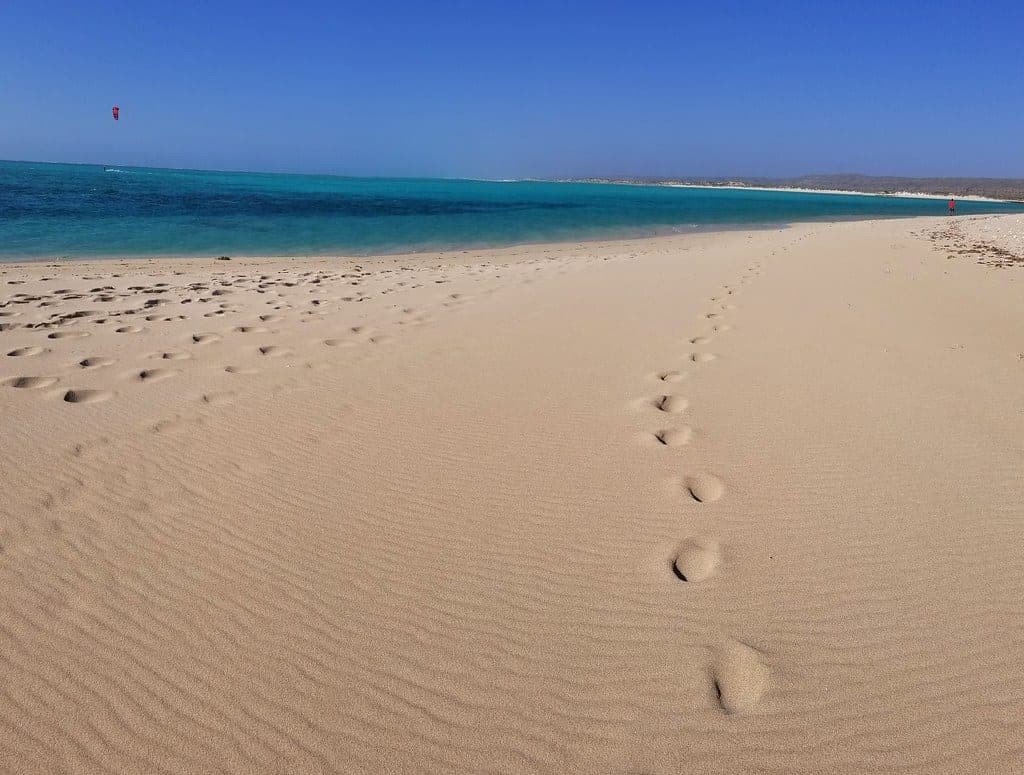
A limestone range on one side of the road and Ningaloo Reef on the other. The rare place where you can camp above a beach and swim onto coral from it.
Ningaloo is a fringing reef, and that single fact is why Cape Range is worth the drive. Most of the world's great reefs sit well offshore and require a boat. Here the coral starts close enough to the beach that you can walk in from your campsite.
The park runs along a narrow strip between the limestone range and the water. Campsites sit on the landward side of the dunes, most of them small, none of them with power.
Access
The road down the west side of the cape is sealed as far as most visitors need. Two-wheel drive access covers the great majority of the park, including the main campgrounds and Turquoise Bay.
Yardie Creek is where that stops. The creek mouth crossing at the southern end of the park is soft sand and tidal, and it is a genuine four-wheel drive proposition when it is open at all. Its condition varies year to year and it is sometimes closed entirely. Treat the crossing as a bonus rather than a planned route, and confirm its status before you commit to a southern exit.
Campsites
The campgrounds are small, unpowered and heavily booked. Osprey Bay, Kurrajong, Tulki and the others each hold a modest number of sites, and through winter they book out months in advance.
There is no reliable drinking water in the park. You carry what you need, and in a climate this dry that number is higher than people estimate. Exmouth is the resupply point.
Generators are restricted or prohibited depending on the campground, which is a large part of why the place is as pleasant as it is.
The swimming
Turquoise Bay has the drift snorkel that appears on every postcard of this coast. You enter at the southern end, let the current carry you north over the coral, and exit before the sandbar. The current is the attraction and also the hazard: people who miss the exit point end up in open water heading for the channel. The signage explains the exit clearly and it repays reading before you get wet rather than after.
Oyster Stacks offers better coral but only works at higher tides. At low water there is not enough depth over the formations, and you will damage both the coral and yourself trying.
Lakeside is the gentler option and a reasonable first stop.
Whale sharks and the season
The whale shark aggregation runs roughly March to July and is the reason Exmouth is busy in autumn. Humpback whales follow through the middle of the year. Both are managed through licensed operators out of Exmouth rather than from the park itself.
Winter is the touring season generally: warm days, cool nights, and reliable water clarity. Summer is hot, cyclone-prone and much quieter for good reason.
Country
The park sits on Jinigudira and Baiyungu country, and the wider Ningaloo coast holds significant sites. Some areas are managed jointly, and access restrictions are signposted.
Related
 Destinations
WA · 2WD
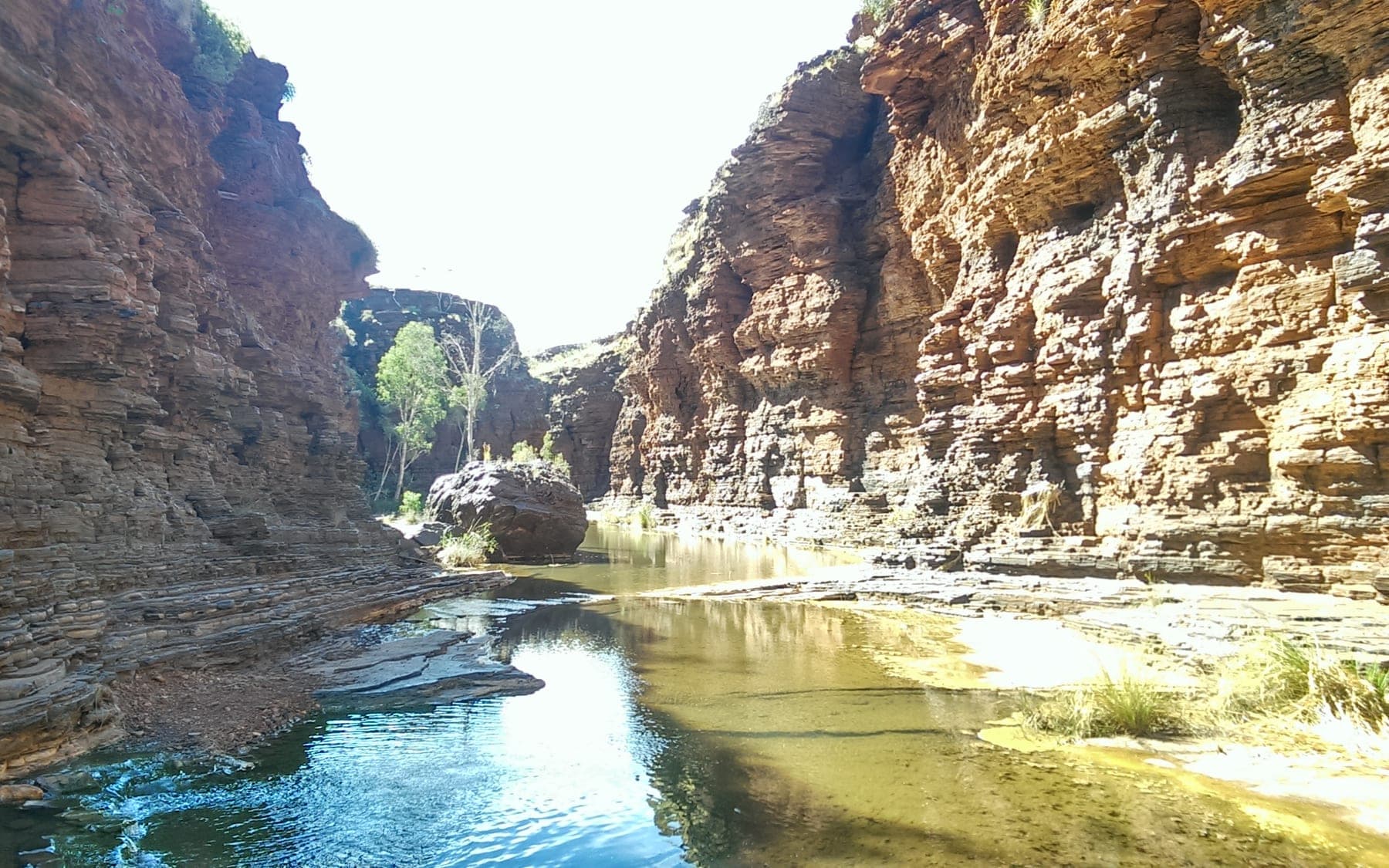
Karijini National Park
Deep iron-red gorges cut into the Pilbara, with the best swimming in Western Australia at the bottom of them. Straightforward to reach, genuinely serious once you leave the rim.
 Destinations
VIC · 2WD
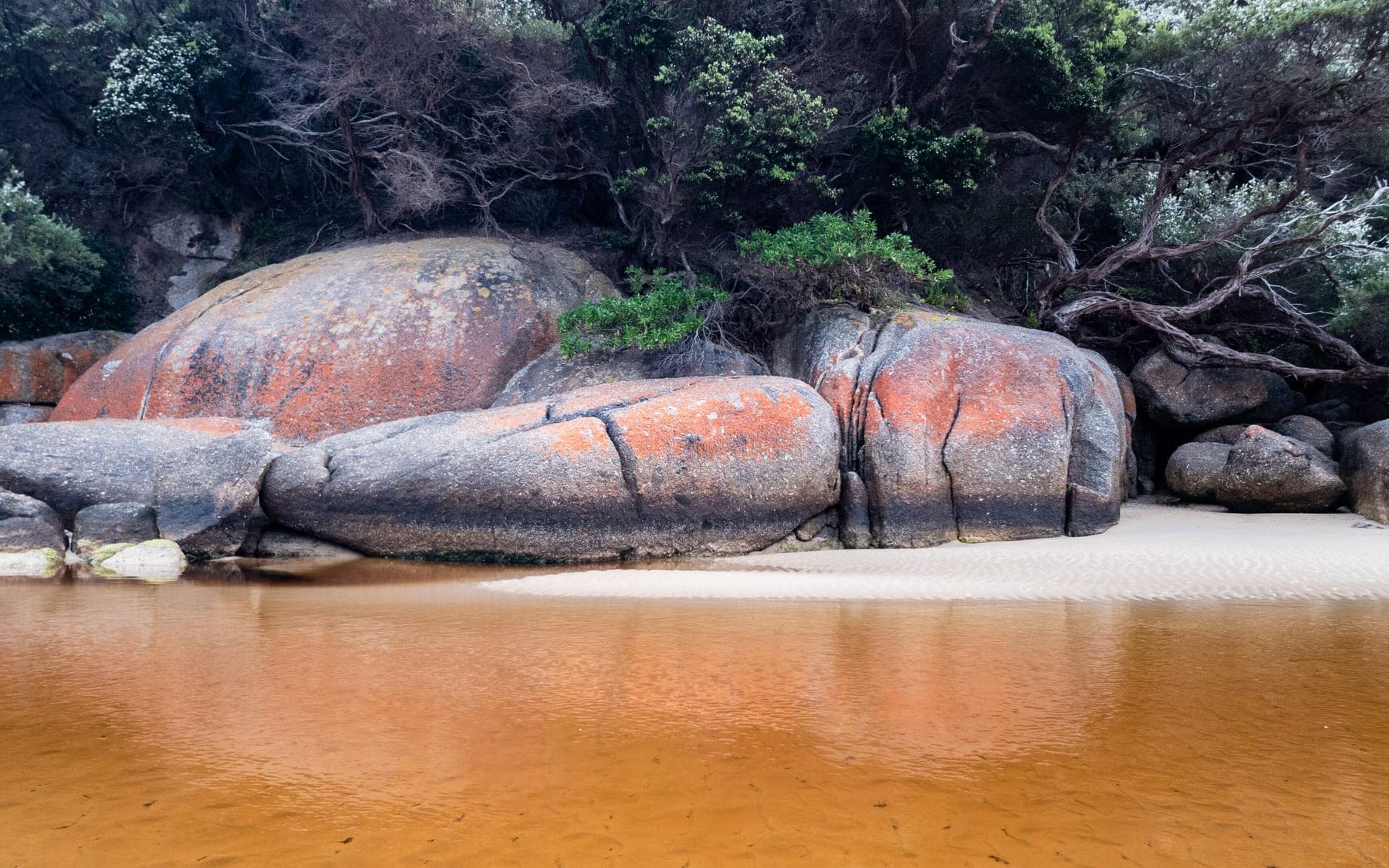
Wilsons Promontory National Park
The southernmost tip of mainland Australia, with granite headlands, squeaking white sand and the most heavily booked campground in Victoria.
 Destinations
SA · AWD
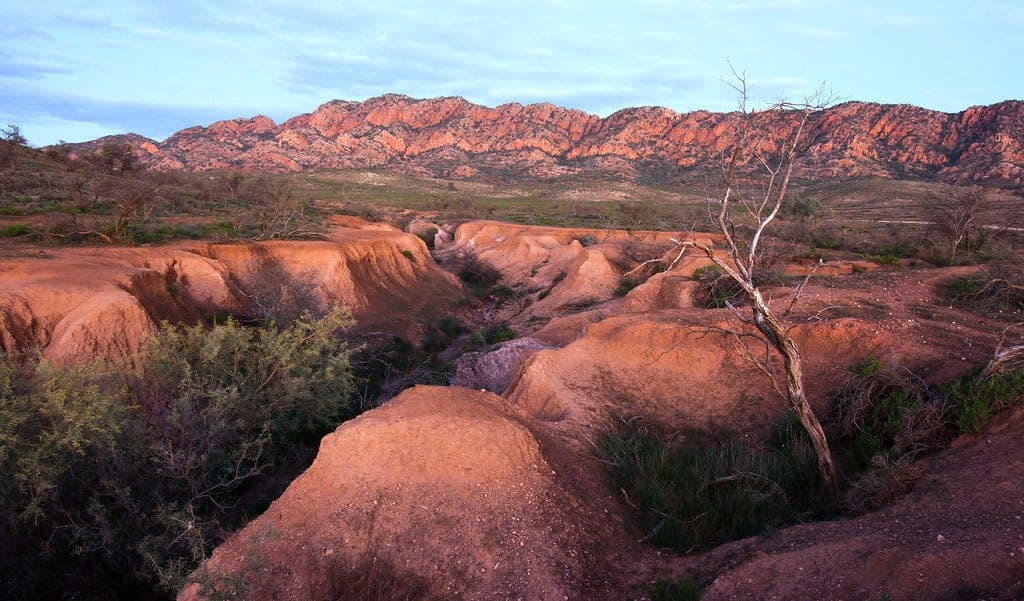
Ikara-Flinders Ranges National Park
Ancient folded ranges five hours north of Adelaide, with a geology trail you can drive and the most legible landscape in South Australia.