Free camping in Australia: how it actually works
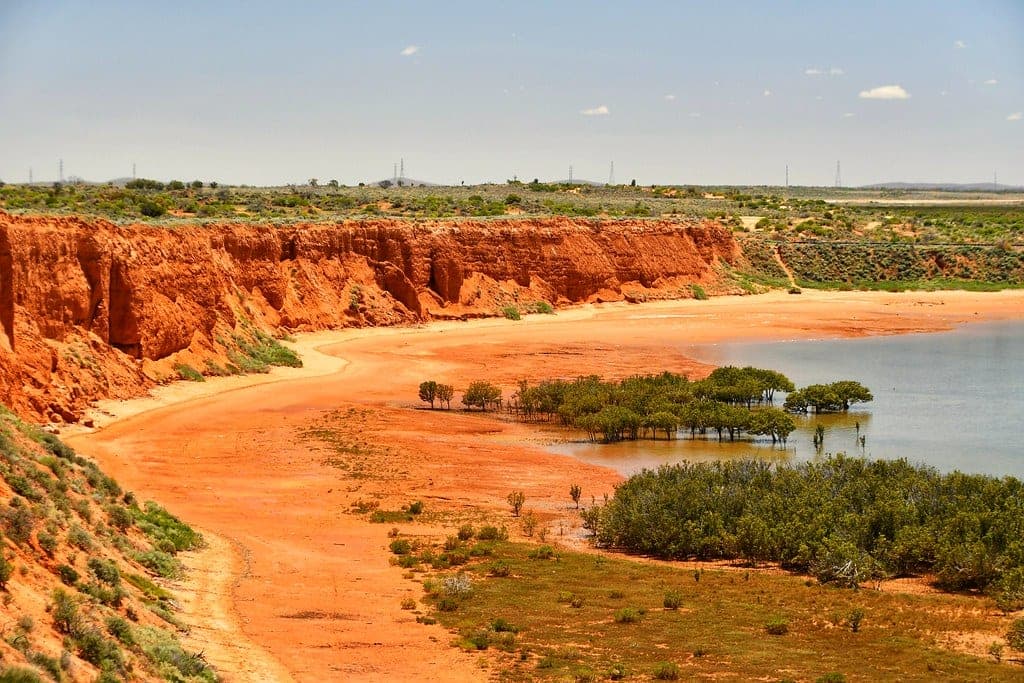
Photo by JohnGGM · flickr · CC BY-SA 2.0
- Section
- Guides
- Category
- Planning
- Read
- 4 min
- Updated
- 27 Aug 2026
What counts as free camping, where it is genuinely permitted, and the rules that catch people out before the fine does.
Free camping in Australia is real and there is a lot of it, but the phrase covers several different arrangements with different rules, and most of the trouble people get into comes from assuming they are all the same.
What free camping actually means
Four broad categories, and they are not interchangeable.
Roadside rest areas exist for fatigue management. Stopping to sleep is the point of them. Time limits are usually signposted, commonly somewhere between 20 and 48 hours, and facilities range from a bin and a picnic table to nothing at all.
Council-designated free camps are sites a local government has set aside, often on the edge of a town that wants the passing trade. These frequently have a time limit and increasingly require self-containment.
State forests and some reserves permit dispersed bush camping at no cost across large areas, subject to fire restrictions and seasonal closures. This is the closest thing to camping wherever you like, and even here there are rules about how far from watercourses and formed roads you must be.
Station stays and honesty-box sites are not strictly free but are often only a few dollars, and they frequently offer more than a free site does.
What is generally not free camping: national parks, which almost always charge and require booking; beaches; urban streets and car parks; showgrounds outside event arrangements; and private land without permission.
Self-containment is becoming the dividing line
This is the shift that has changed free camping over the last decade, and it catches returning travellers out.
A growing number of councils permitting free camping require vehicles to be self-contained: carrying your own water, and able to contain both grey water and toilet waste. Some sites actively check.
The reason is straightforward. Sites get closed when they get fouled, and the councils closing them are responding to what happened at the site, not to travellers in the abstract. Every closed free camp was open once.
If you have no toilet on board, your realistic options narrow to sites with a drop toilet, and burying waste is not an acceptable substitute anywhere near a watercourse or a well-used site.
The rules that actually bite
Fire restrictions override everything. Total fire bans are absolute regardless of how careful you intend to be, and they apply to solid fuel and often to gas as well depending on the state and the declaration. Check the day's rating for the district you are in, not the one you left.
Time limits are enforced at popular sites, particularly close to towns, and the enforcement is usually about stopping semi-permanent occupation rather than catching tourists.
Generators are restricted or banned at many sites, and are the single most common source of complaint between campers.
Take everything out. This includes food scraps, which habituate wildlife, and grey water, which should not go into a watercourse.
Finding sites
The practical tools are the crowd-sourced camping apps, which carry user reports on current condition, access and whether a site is still open. Their weakness is that entries go stale: a site marked free two years ago may now charge, require self-containment, or be closed entirely.
Cross-check anything you are relying on against the managing authority, which for most free camps is the local council or the state forest service. A council website is dull reading and it is current.
State-by-state guides are on the way here. In the meantime the planning that makes free camping work is mostly about self-sufficiency: water: how much to carry covers the resource that runs out first, and communications beyond mobile coverage covers what happens when you are somewhere without bars.
Whether it is worth it
For a long trip, obviously yes: the difference between free sites and caravan parks over three months is substantial money.
For a weekend, less obviously. A low-cost council site with water and a toilet for a small fee is frequently a better experience than a free gravel patch beside a highway with road trains going through all night, and the fee is what keeps it maintained and open.
The travellers who get the most out of free camping are the ones set up to need nothing from the site: their own water, their own power, their own waste containment. Everything else is a bonus, and it means a closed site is an inconvenience rather than a problem.
Common questions
- Is free camping legal in Australia?
- In designated areas, yes. Many local councils, state forests and roadside rest areas permit free overnight stays, and some conservation reserves allow bush camping at no cost. What is not legal is camping wherever you like: most beaches, urban streets, showgrounds, car parks and national parks either prohibit it outright or require a paid permit.
- Can you sleep in your car at a rest area?
- Usually yes, and the reason is fatigue management: rest areas exist so drivers can stop. Time limits are common, typically 20 to 48 hours, and are signposted. Some states distinguish between resting and camping, so setting up an awning, chairs and a full camp can be treated differently from sleeping in the vehicle.
- Do you need to be self-contained to free camp?
- Increasingly, yes. Many councils that permit free camping require vehicles to be self-contained, meaning you carry your own water and can contain grey and black waste. Some sites check. If you have no toilet on board, your options narrow considerably, and burying waste is not an acceptable substitute near a watercourse or a busy site.
- What is the difference between free camping and low-cost camping?
- Free sites cost nothing and typically offer nothing: no water, no power, sometimes a drop toilet. Low-cost sites, often run by councils or showgrounds for a small honesty-box fee, usually add water, toilets and sometimes showers. For a few dollars the low-cost option is frequently the better one, and it funds the maintenance that keeps the site open.
Related
 Guides
4 min read
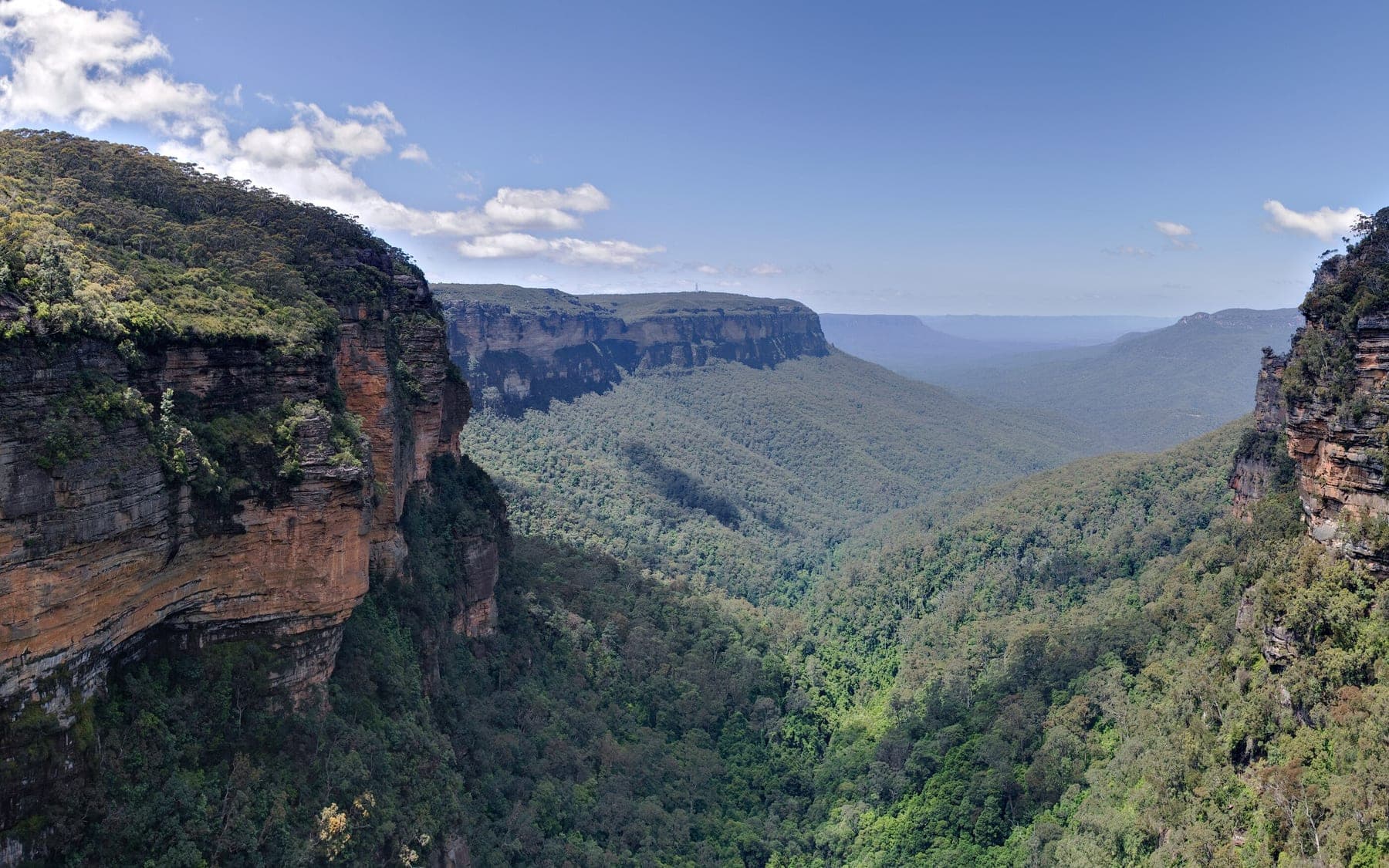
Free camping in New South Wales
How NSW splits between paid national parks, free state forest and council rest areas, and why the park pass question matters more here than anywhere else.
 Guides
4 min read
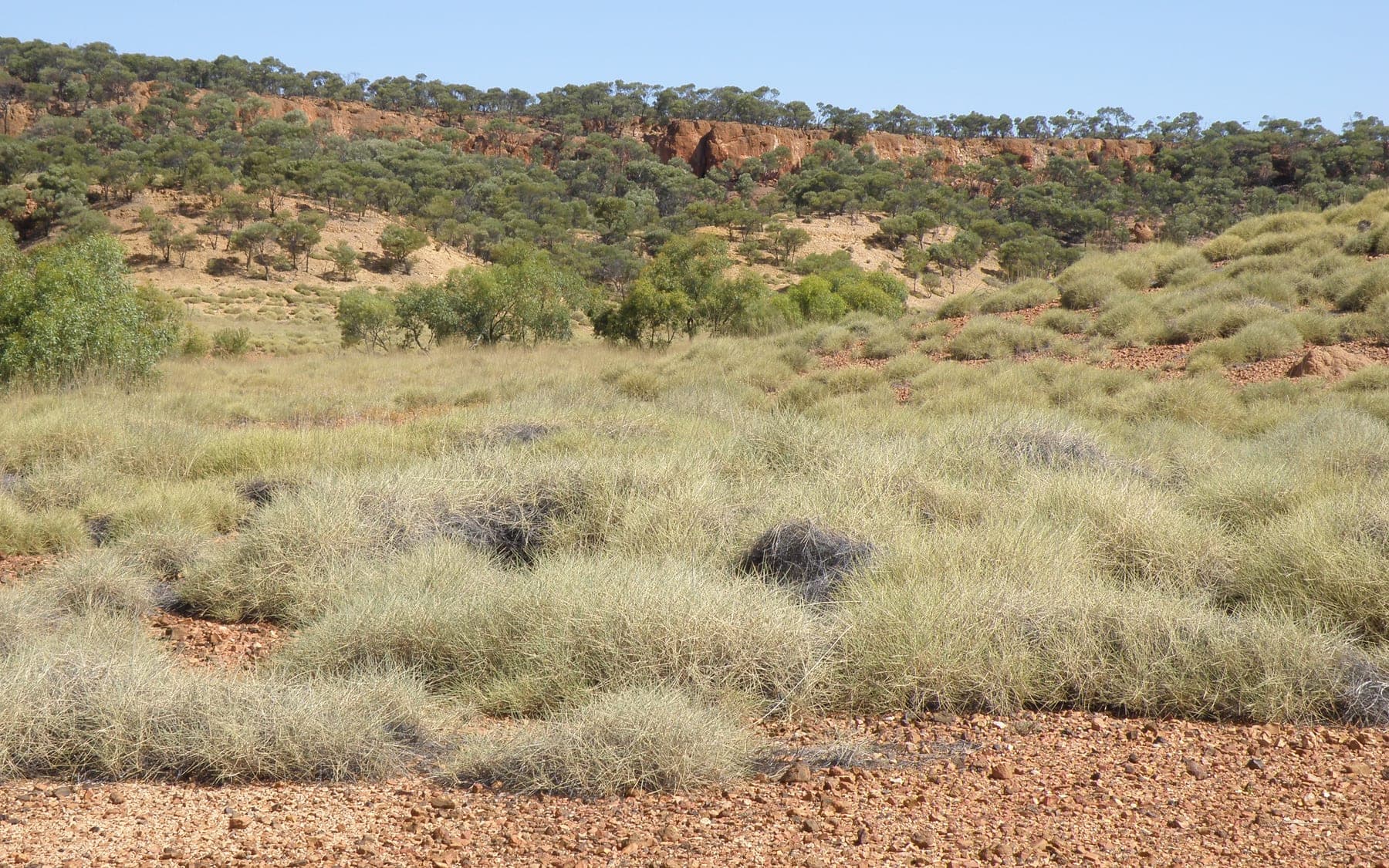
Free camping in Queensland
The state with the most generous council camping and the strictest national park booking system, plus the crocodile line that changes how you camp.
 Guides
4 min read
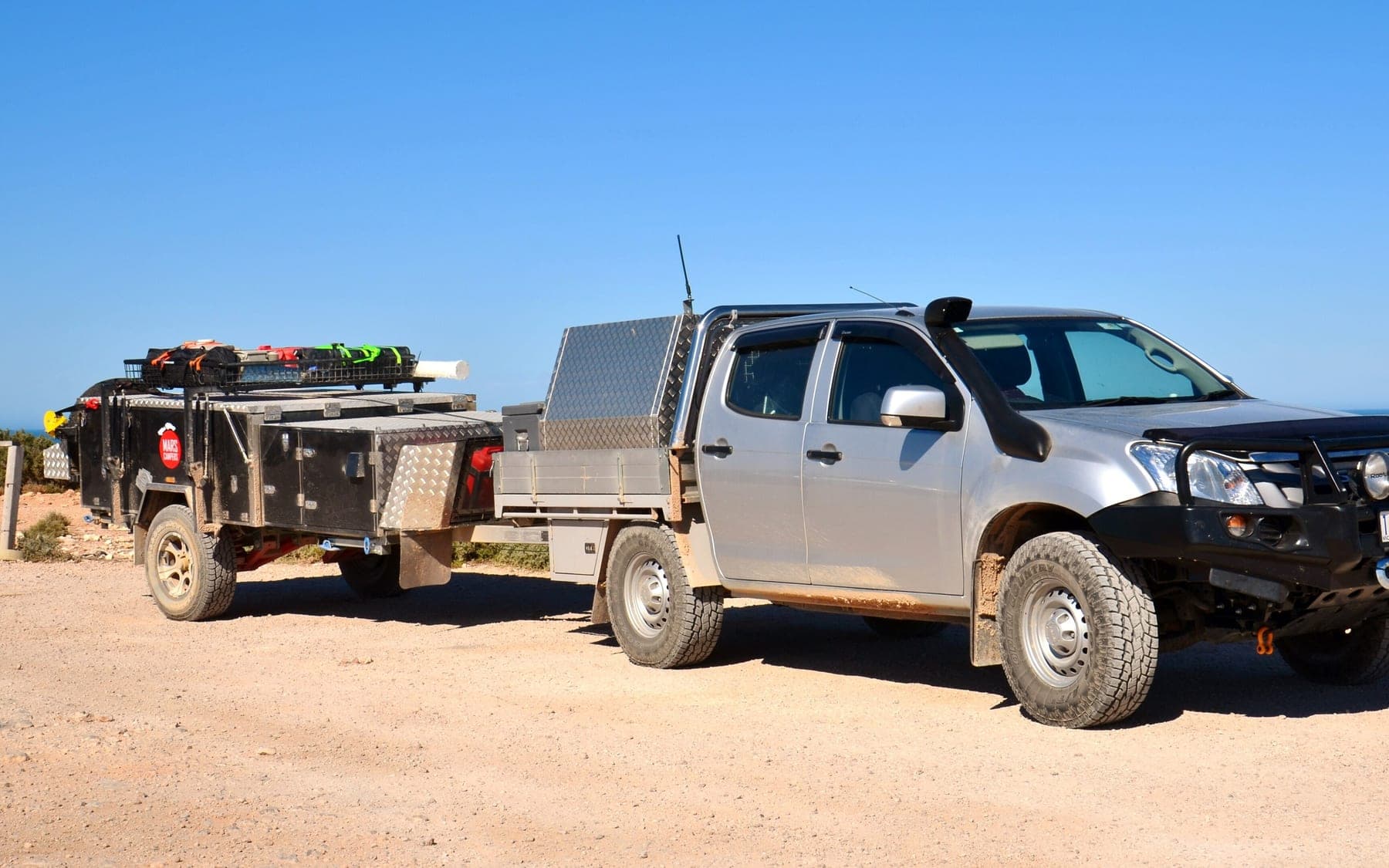
Free camping in South Australia
Desert parks with a separate pass, a long empty coastline, and the state where the outback tracks start.