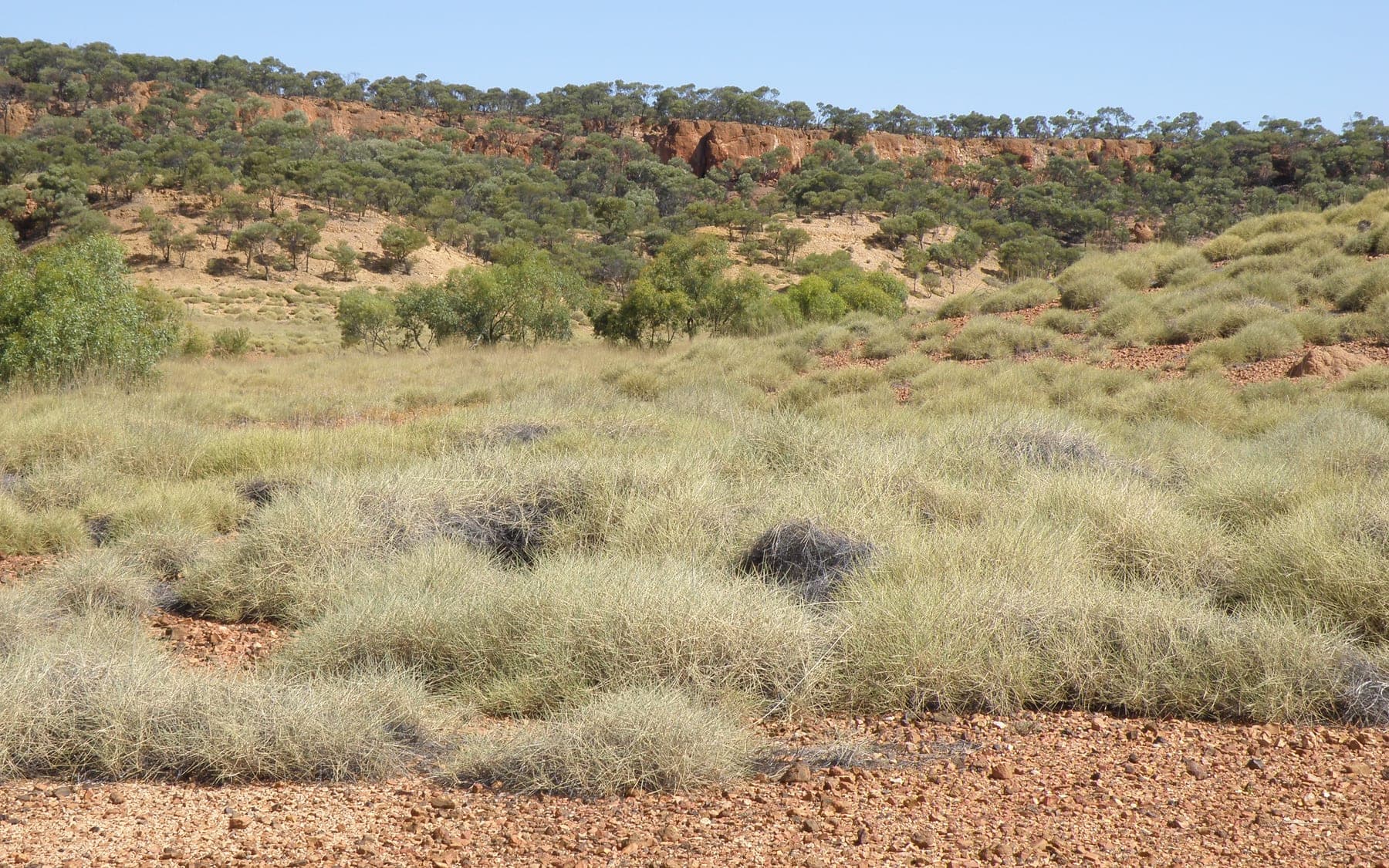
Free camping in Queensland
Photo by Carl-st205 · Wikimedia Commons · CC BY-SA 4.0
- Section
- Guides
- Category
- Planning
- Read
- 4 min
- Updated
- 27 Aug 2026
The state with the most generous council camping and the strictest national park booking system, plus the crocodile line that changes how you camp.
Queensland runs two systems side by side, and understanding which one you are in determines what you pay and what you have to arrange in advance.
The two systems
Council camping is where Queensland is genuinely generous. A large number of regional councils, particularly through the west and the north, provide free or very cheap camping areas deliberately, because travellers who stop overnight spend money in town.
These are often better than the word free suggests: a mown area, a toilet, sometimes showers, frequently a dump point, occasionally water. Some run on an honesty box of a few dollars.
The trade-off is that they are in or beside towns rather than in the bush, and over the winter travelling season the popular ones fill.
National parks are the other system, and Queensland is strict about it. Camping requires a permit booked in advance through the centralised system, for essentially every site including remote ones. Fees are per person per night and are not large, but there is no turning up and paying at the gate, and rangers do check.
That advance-booking requirement is the single most common way travellers come unstuck in Queensland. Arriving at a park expecting to sort it out on site does not work.
The wet season changes everything
North of the tropic, the year splits in two and it is not a matter of comfort.
The dry season, roughly May to October, is the touring season. Warm days, low humidity, cool nights inland, roads open, and the whole northern half of the state accessible.
The wet season, roughly November to April, brings monsoonal rain, extreme humidity, and widespread road closures. Unsealed roads close, rivers become impassable, and remote areas can be cut off for weeks. Marine stingers make coastal swimming dangerous, and cyclones are a genuine risk.
This is not a case of a wetter, less pleasant trip. Roads close officially, and driving a closed road in Queensland attracts penalties and does serious damage to the surface.
Southern Queensland is far less constrained: summer is hot and humid rather than impassable.
Crocodiles
North of roughly Gladstone, estuarine crocodiles inhabit coastal waterways, and they become common well before you reach Cairns. They are not confined to saltwater despite the name, and they range a long way up freshwater rivers.
The rules are simple and worth following exactly:
- Assume every waterway in the north is inhabited unless there is signage and local advice to the contrary.
- Do not camp at the water's edge. Keep well back from the bank.
- Do not clean fish or dispose of scraps at the water.
- Never follow a routine at the same spot at the same time each day.
- Stay well away from the edge when collecting water.
Signage is not comprehensive, and the absence of a sign is not evidence of absence.
Where the free camping is
The outback west, out through the Matilda Way and the channel country, has the highest concentration of council-provided free camps. Towns compete for passing traffic and the camping reflects it.
The Gulf Country across the top has a mix of council sites, station stays and remote bush camping, and is firmly dry-season country.
The Atherton Tablelands behind Cairns offer cooler, higher country with a mix of park and council sites.
The southern inland, through the Darling Downs and Granite Belt, is accessible year round and within reach of Brisbane for a weekend.
The coast is the expensive part. Coastal camping is heavily managed, popular and mostly paid, and free camping along the populated stretch is essentially nonexistent.
Beaches and K'gari
Beach camping in Queensland is permit country rather than free camping.
K'gari and the Cooloola coast both require a vehicle access permit and a camping permit, both arranged in advance. Beach driving is tide-dependent, and getting the tide wrong is the most common way vehicles end up in salt water. That is covered in the K'gari destination entry.
Practical planning
Water is the constraint that catches people in the west. Distances between towns are long and bore water, where it exists, is often unpalatable. Water: how much to carry covers the arithmetic.
Coverage across the west and the Gulf is limited to towns. Communications beyond mobile coverage covers the alternatives.
Heat is a genuine hazard rather than a discomfort out west in summer, and a breakdown in the wrong place at the wrong time of year is a serious situation rather than an inconvenience.
The honest summary
Book national parks well ahead, use council camps for free stops, travel the north in the dry, and treat every northern waterway as crocodile country.
The general rules are in free camping in Australia: how it actually works.
Common questions
- Is free camping legal in Queensland?
- Yes, and Queensland is one of the better states for it. A large number of regional councils actively provide free or very low-cost camping areas to attract travellers into their towns, often with a toilet, water and a dump point. National park camping is separate: it requires a permit and a fee at essentially every site.
- Do you need a permit to camp in Queensland national parks?
- Yes, at every site, and it must be arranged in advance rather than on arrival. Queensland runs a centralised booking system for national park camping and rangers do check. Fees are per person per night and are modest, but camping without a permit attracts a fine.
- What is the best time of year to camp in Queensland?
- For the north, the dry season from roughly May to October. The wet season brings heavy rain, extreme humidity, road closures, flooding and stingers in coastal waters. Southern Queensland is comfortable for much more of the year, with summer being hot rather than impassable.
- Where do the crocodiles start in Queensland?
- Estuarine crocodiles are found in coastal waterways from roughly Gladstone north, and become common well before Cairns. Treat every waterway in the north as potentially inhabited, including freshwater sections a long way inland, and never camp on a riverbank at the water's edge or follow a routine at the same spot.
- Can you free camp on Queensland beaches?
- Only in designated areas, and most of those require a permit rather than being free. Beach camping on K'gari and the Cooloola coast is managed with vehicle access permits and camping permits. Camping on undesignated beaches is generally prohibited and enforced.
Related
 Guides
4 min read
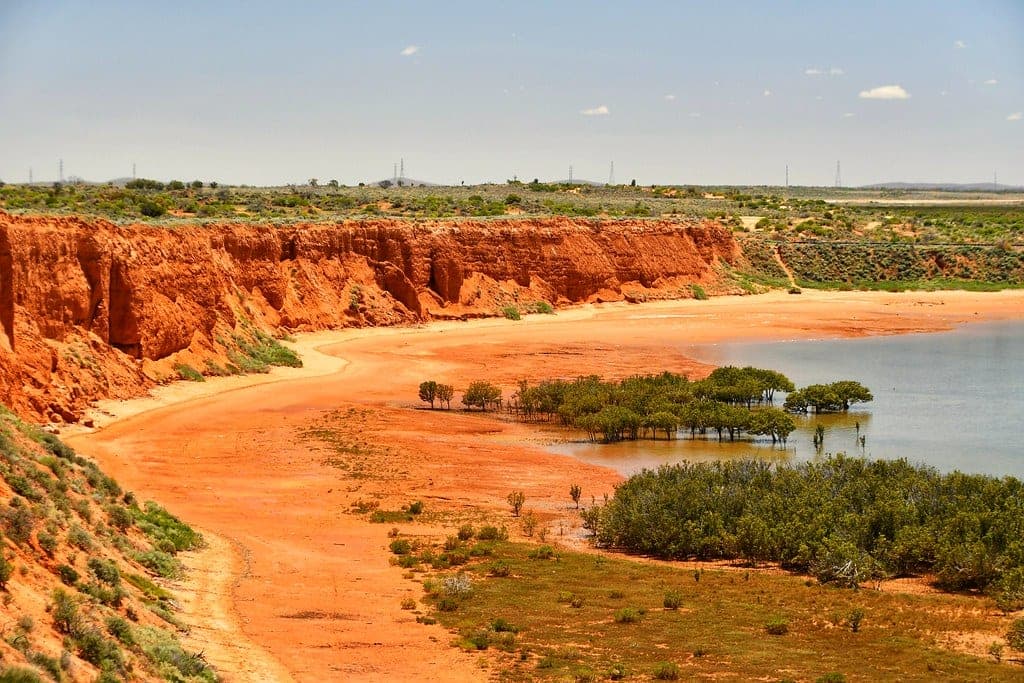
Free camping in Australia: how it actually works
What counts as free camping, where it is genuinely permitted, and the rules that catch people out before the fine does.
 Guides
4 min read
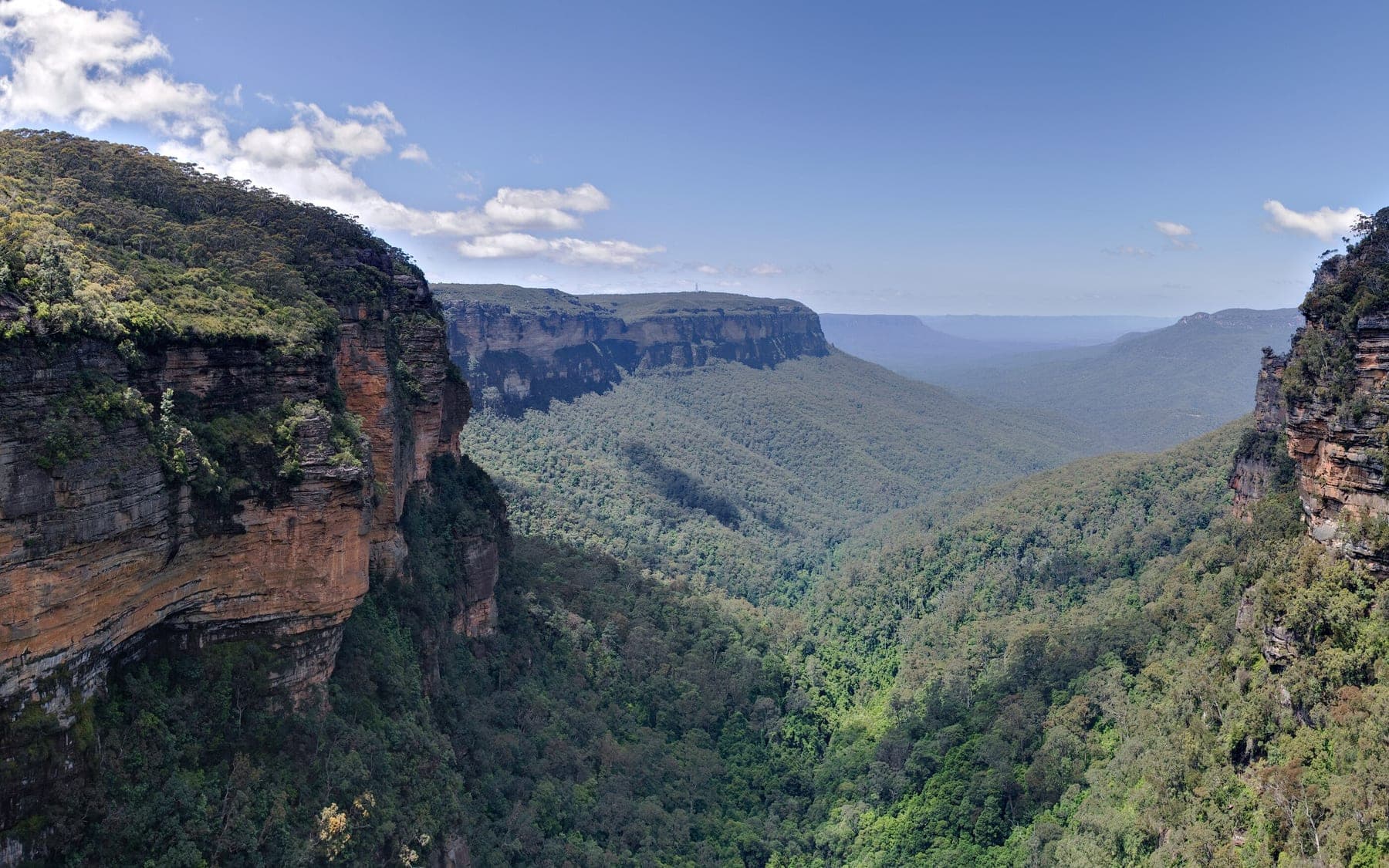
Free camping in New South Wales
How NSW splits between paid national parks, free state forest and council rest areas, and why the park pass question matters more here than anywhere else.
 Guides
4 min read
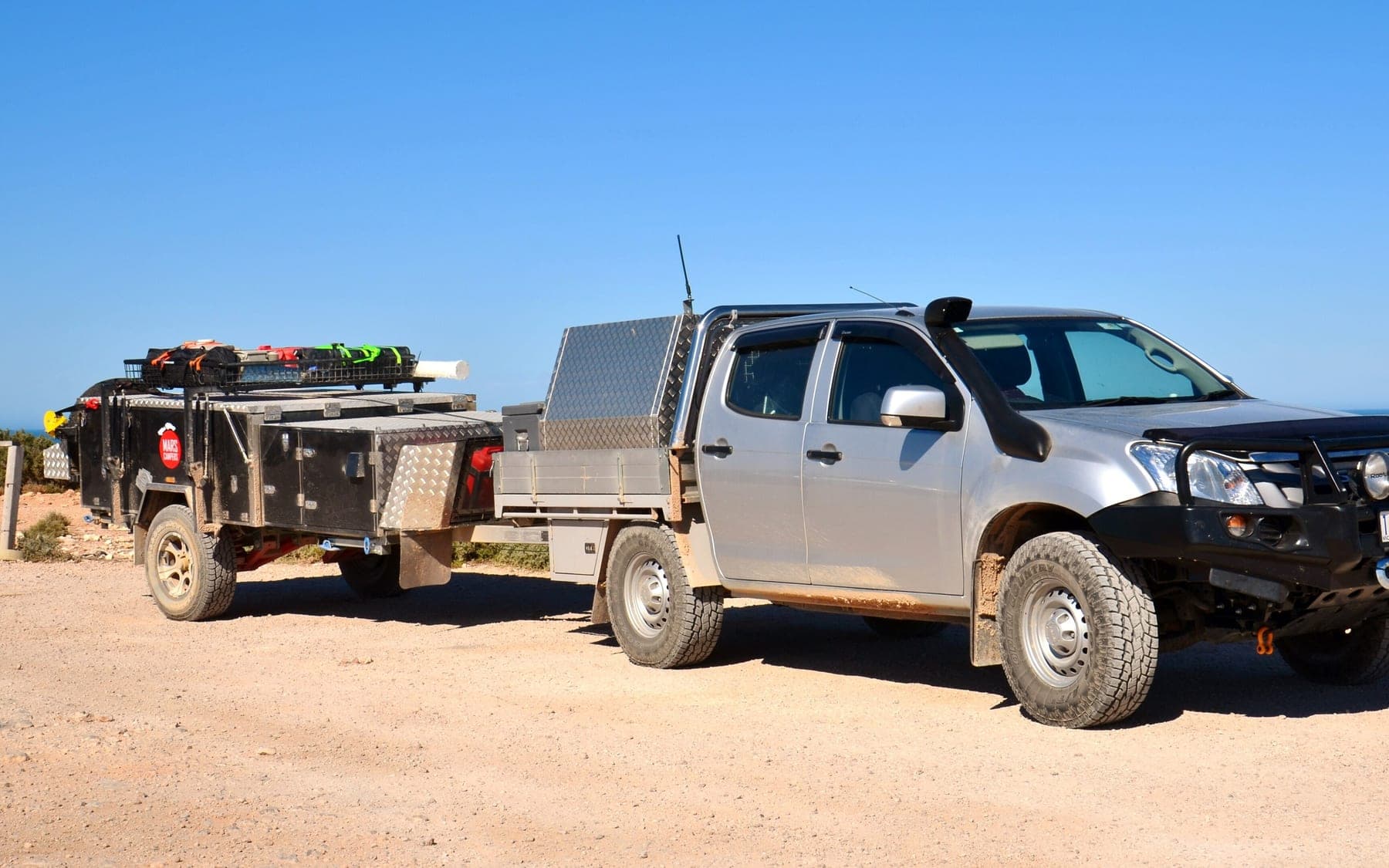
Free camping in South Australia
Desert parks with a separate pass, a long empty coastline, and the state where the outback tracks start.