Finding 4WD tracks: where they are and how to read them before you drive
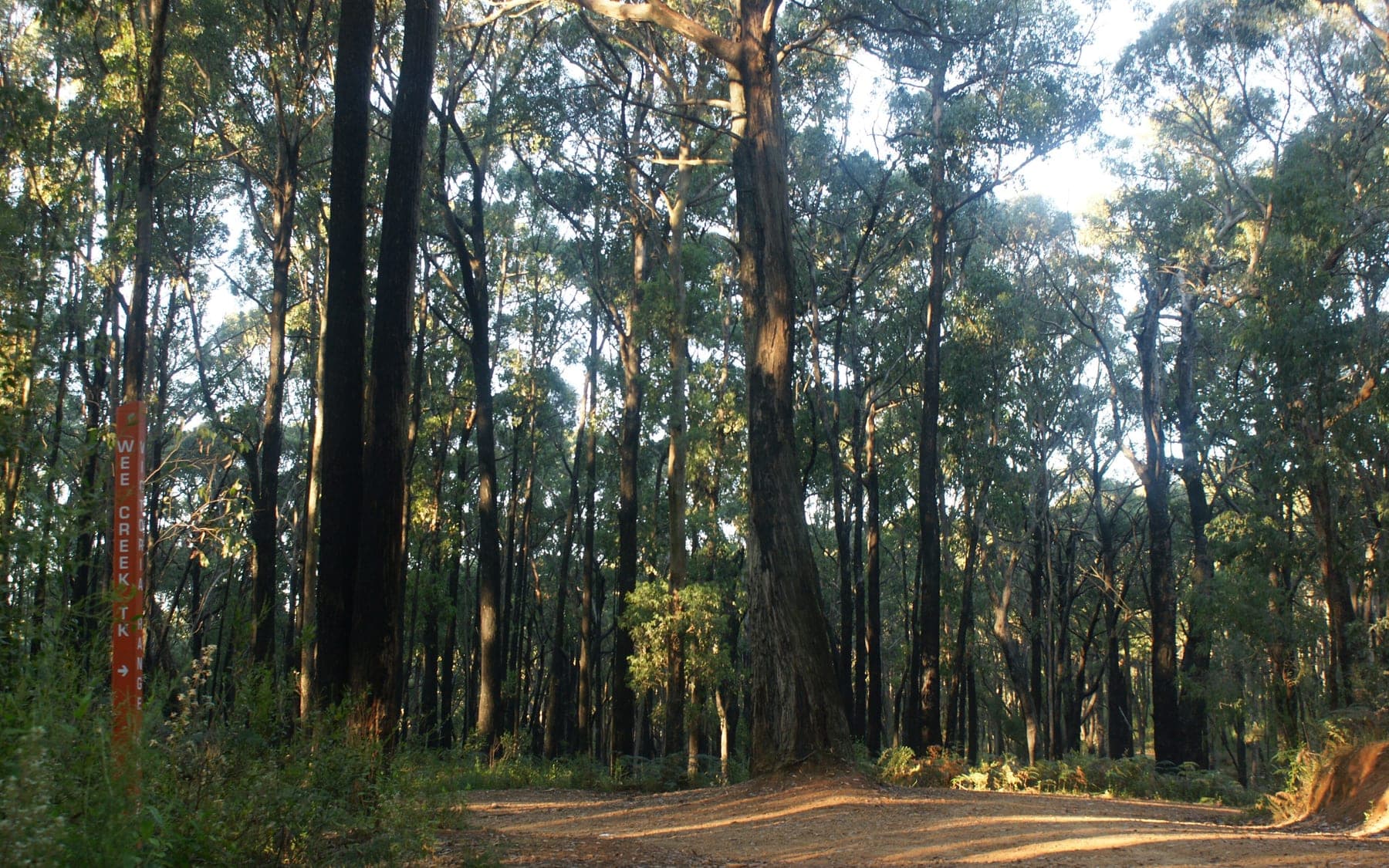
Photo by malinhett · Wikimedia Commons · CC BY 3.0
- Section
- Guides
- Category
- Technique
- Read
- 5 min
- Updated
- 27 Aug 2026
How track classification works, who manages what, and the assessment habits that separate a good day out from an expensive recovery.
The question of where to find tracks is really three questions: where is it legal to drive, what is the track actually like, and is it open right now. The last one changes weekly.
Who manages what
State forests carry most of the accessible track network in the eastern states, and generally permit driving on formed roads and tracks without a permit. This is the default place to look.
National parks vary considerably. Many permit driving on designated tracks, some require a permit for specific routes, and many charge park entry. The tracks tend to be better maintained and more closely managed.
Beaches are gazetted individually. Where beach driving is permitted, a vehicle access permit is often required, and access is tide-dependent.
Private and pastoral land always requires permission. A track existing on a map is not permission, and station country in particular is working land with stock, infrastructure and residents.
Council and Crown reserves fill the gaps, with rules varying locally.
Track grading, and why it means less than it looks
There is no single national grading system. Various states, clubs and publishers use their own scales, commonly running from one through five, or easy through extreme.
A rough sense of what those tiers describe:
| Grade | Roughly means |
|---|---|
| Easy | Formed dirt road, two-wheel drive in dry conditions |
| Medium | Unsealed, ruts and washouts, 4WD with clearance |
| Difficult | Steep, rutted, rocky. Low range, good tyres, recovery gear |
| Very difficult | Substantial obstacles, damage likely, second vehicle strongly advised |
| Extreme | Modified vehicles, winching expected, damage probable |
Two important caveats.
A grade is relative to its own system. A three in one publication is not a three in another.
Weather changes the grade entirely. A medium track after a week of rain can be genuinely difficult, and a difficult clay track when wet can be impassable in a way that has nothing to do with the vehicle. Grades describe dry conditions unless they say otherwise.
Seasonal closures
Through the Victorian High Country and parts of the alpine areas in NSW, tracks close seasonally, broadly from the Queen's Birthday weekend to the Melbourne Cup weekend, with dates varying by area and year.
This is not advisory. The closures are enforced with substantial fines, and the reason is straightforward: driving a wet clay track cuts ruts, ruts channel water, water erodes the track and carries sediment into creeks. One vehicle on a wet track does damage that takes years to repair.
Fire also closes tracks, both during the danger period and for a long time afterwards while burnt areas regenerate and hazardous trees are dealt with.
The authoritative source is the managing agency's published closure list, not a map or an app.
Reading a track before you drive it
The single most useful habit in four-wheel driving costs two minutes and prevents most incidents.
Walk it. Get out and look at anything you cannot see the whole of from the driver's seat. Water crossings, blind crests, steep descents, soft patches. You are looking for depth, what the bottom is like, where the line is, and what happens if it goes wrong.
Check the exit before the entry. A descent you can get down but not back up is a commitment. Look at where you are going to end up.
Water crossings need depth checked physically. Walk it if it is safe to do so, and in the north consider carefully whether it is, because crocodiles inhabit northern waterways. Depth, bottom firmness and the line through are not visible from the seat, and a hydraulically locked engine is an expensive lesson.
Turn around while turning around is easy. This is the decision people make too late. The point to reconsider is before the committing section, not partway down it.
What conditions do
After rain clay-based surfaces become slick, deep ruts fill and hide their depth, and creek crossings change character fast. Many tracks are simply better left alone for a few days.
In the dry the hazards move to dust, which hides corrugations and other vehicles, and to loose surfaces on descents.
In the heat the vehicle suffers more than the driver notices, and low-range work at low speed with no airflow puts real load on cooling.
Going alone
Solo travel on easy, well-used tracks near help is a reasonable risk that plenty of people take.
Solo travel on remote or difficult tracks is a different proposition, because most self-recovery assumes you can dig or drive yourself out. When you cannot, a second vehicle is the difference between an inconvenience and a serious situation.
If you do travel alone, tell someone the route and a genuine time to raise the alarm, and carry a satellite messenger. Communications beyond mobile coverage covers what actually works.
The gear that matters
Tyre pressures do more for track driving than any accessory, and getting them right prevents most boggings and most corrugation damage. See tyre pressures for sand, gravel and rock.
A shovel, recovery boards and a compressor resolve the majority of situations, and none of them can hurt anybody. The gear that needs genuine respect is covered in snatch straps.
Track etiquette
Vehicles travelling uphill generally have right of way, because starting again on a steep climb is harder than on a descent. Leave gates as you found them. Stay on the formed track, because the ruts beside a track are how a track becomes three tracks wide. Take everything out. Give way to walkers and horses, and slow down for both.
Tracks close permanently because of damage and complaints, and almost all of it is avoidable.
Common questions
- Where can you legally drive a 4WD in Australia?
- On formed roads and tracks in state forests, on designated tracks in many national parks, on gazetted beaches where beach driving is permitted, and on public roads generally. Driving off formed tracks through bush, dunes or wetland is prohibited almost everywhere and causes the damage that gets tracks closed permanently.
- How are 4WD tracks graded in Australia?
- There is no single national system, which is the frustrating part. Various states and clubs use scales running from easy through to extreme, commonly a one to five rating. Because the scales differ, a grade only means something relative to the system it came from, and conditions change a grade completely after rain.
- Do I need a permit to drive 4WD tracks?
- It depends on the land. Most state forest tracks need no permit. Many national parks require a park entry fee or pass, and some specific tracks require a permit. Beach driving areas commonly require a vehicle access permit. Private and pastoral land always requires permission.
- Why do 4WD tracks close seasonally?
- Because wet surfaces are fragile. Driving a clay-based track in the wet cuts deep ruts that channel water, which erodes the track and washes sediment into creeks. Seasonal closures, particularly through the Victorian High Country, exist to prevent that damage and are enforced with substantial fines.
- Should you drive 4WD tracks alone?
- On easy, well-used tracks close to help, it is a reasonable risk. On anything remote or difficult, travelling with a second vehicle is a significantly better idea, because most self-recovery options assume you can dig yourself out. If you do go alone, tell someone your route and expected return time.
Related
 Guides
4 min read
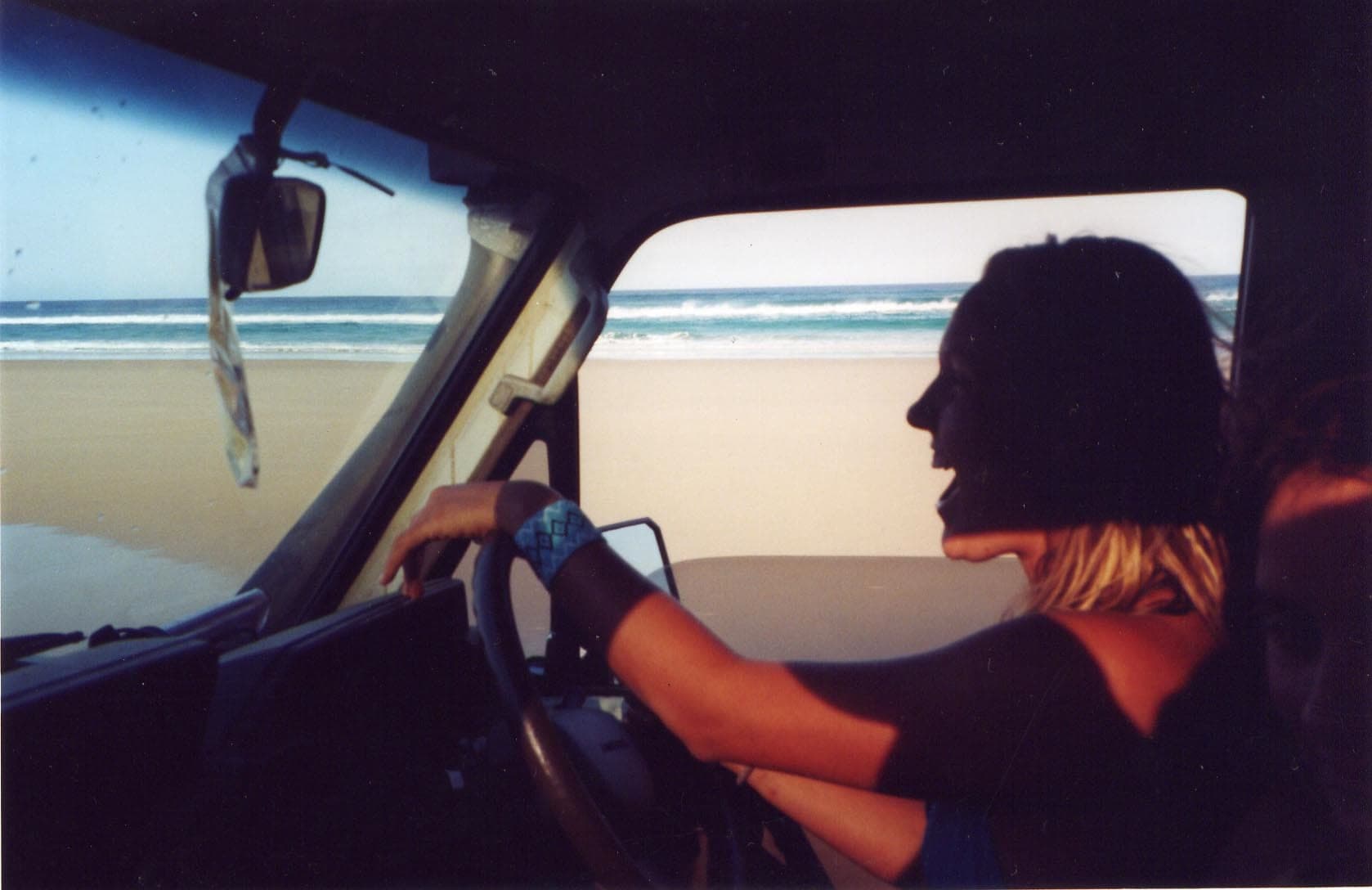
Beach driving: tides, pressures and salt water
Why the tide timetable outranks everything else, what soft sand actually demands from a driver, and the washing-down step people skip.
 Guides
4 min read
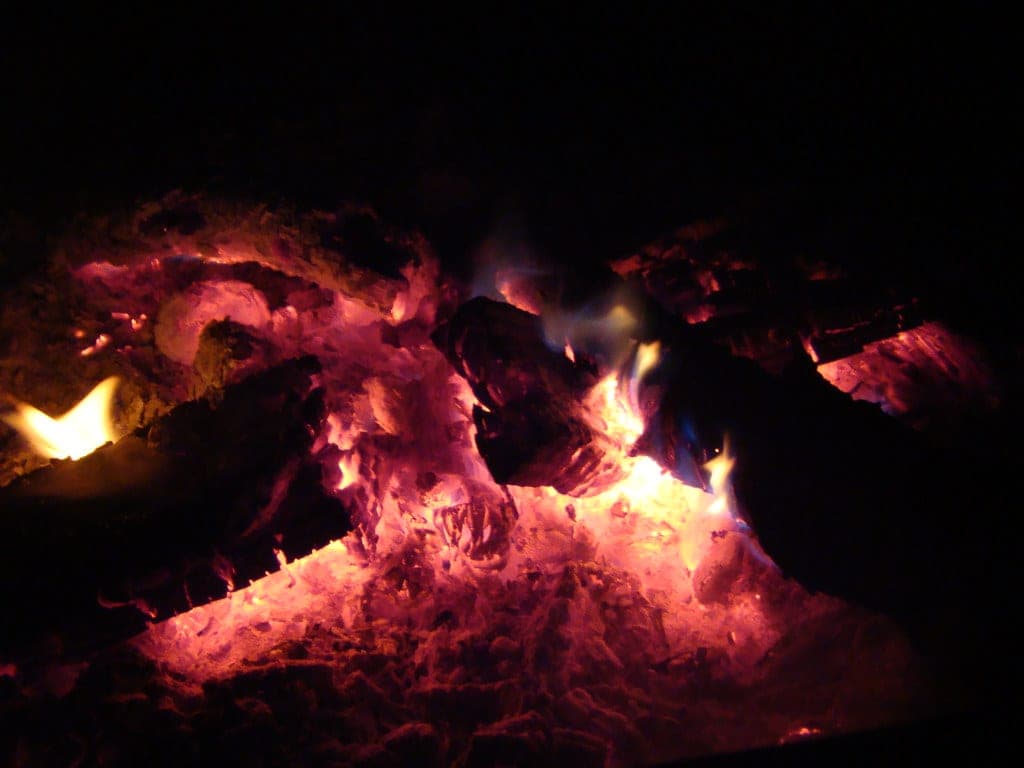
Fire restrictions and campfires: how the rules actually work
Fire danger ratings, declared fire periods and total fire bans are three different things, and knowing which one applies decides whether you can light a fire tonight.
 Guides
4 min read
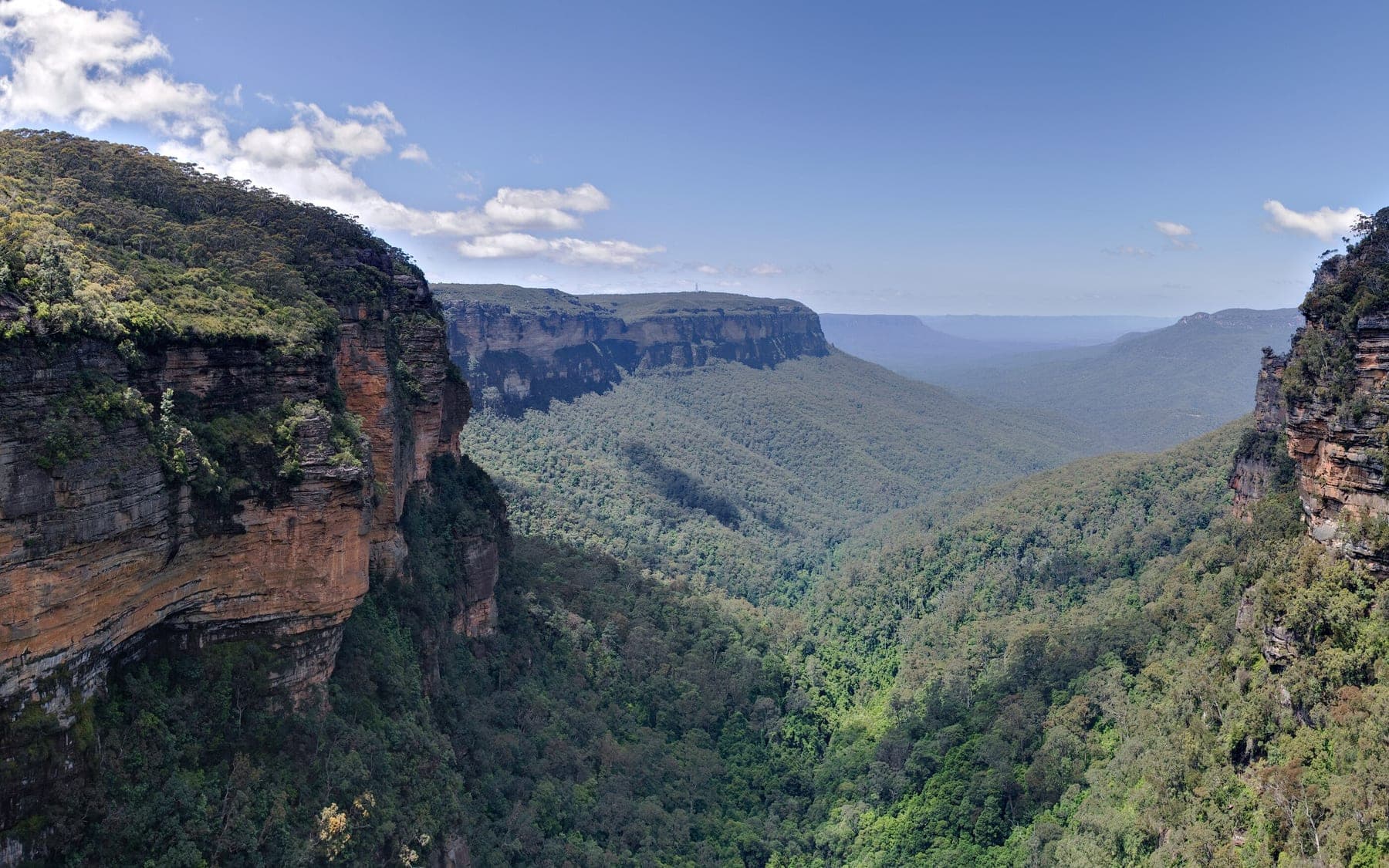
Free camping in New South Wales
How NSW splits between paid national parks, free state forest and council rest areas, and why the park pass question matters more here than anywhere else.